
Background
The Cultivating Justice Project: Enhancing Responsible Business Conduct in the Agribusiness Sector in Kenya is a project conducted in collaboration with DanChurchAid Kenya and Pamoja Trust to promote responsible business conduct in agricultural value chains in Kenya. It is a three (3) year project which includes training and learning sessions in Nairobi Metropolis (Nairobi, Kiambu, Murang’a, Kajiado and Machakos counties), Nakuru and Nyandarua. The goal is to enhance the current level of awareness among private sector actors regarding the UN Guiding Principles on Business and Human Rights (UNGPs), the EU regulation on human rights and environmental due diligence (HREDD) including the EU Corporate
Sustainability Due Diligence Directive (CS3D), Sustainability Reporting and the EU Deforestation Regulation as well as guidelines such as ILO Policy Guidelines for the promotion of decent work in the agri-food sector.
- Training and Learning Sessions on Responsible Business Conduct
The primary purpose of the four trainings CEPCJ held in year 1 of the project was to bring together private sector actors in the agricultural sector in Kiambu, Nakuru, Nyandarua and Nairobi Counties to discuss, strategize and collaborate on enhancing human rights and responsible business conduct and enhancing
awareness of relevant legal frameworks and their impact on the day-to-day activities of these actors.
The training aimed to:
- Increase awareness of human rights and responsible business conduct in the agribusiness sector.
- Discuss the United Nations Guiding Principles on Business and Human Rights and understand the ‘Protect, Respect and Remedy’ Framework.
- Discuss the need for corporate responsibility and how to employ human rights due diligence in agricultural value chains.
- Strengthen collaboration between actors to support each other in enhancing responsible business conduct.
The training adopted a participatory approach that moved from existing knowledge to new learnings but employed a mix of learning sessions in the form of short lectures, group work, plenary discussions and presentations. It employed the use of adult learning so that the model builds on existing knowledge and adds value to the sessions.
The private sector actors were drawn from agricultural value chains in Kenya.
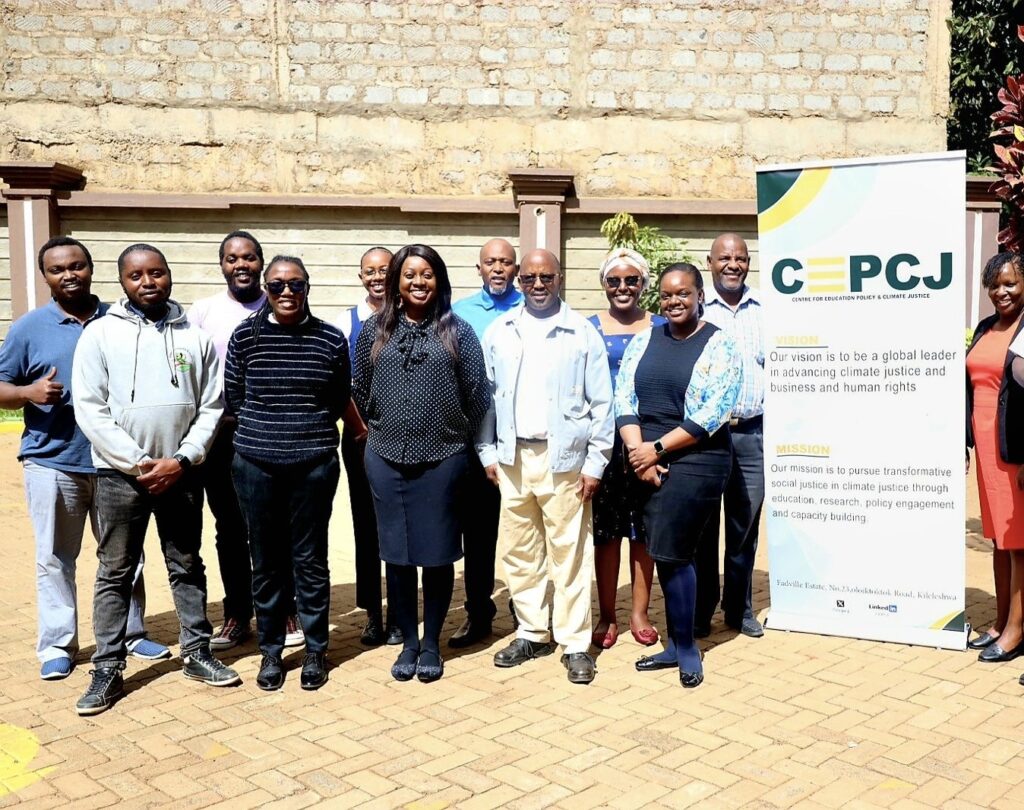
Training and Learning Sessions 25th – 26th June 2025 at The Luke Cravers Hotel, Thika in Kiambu County.
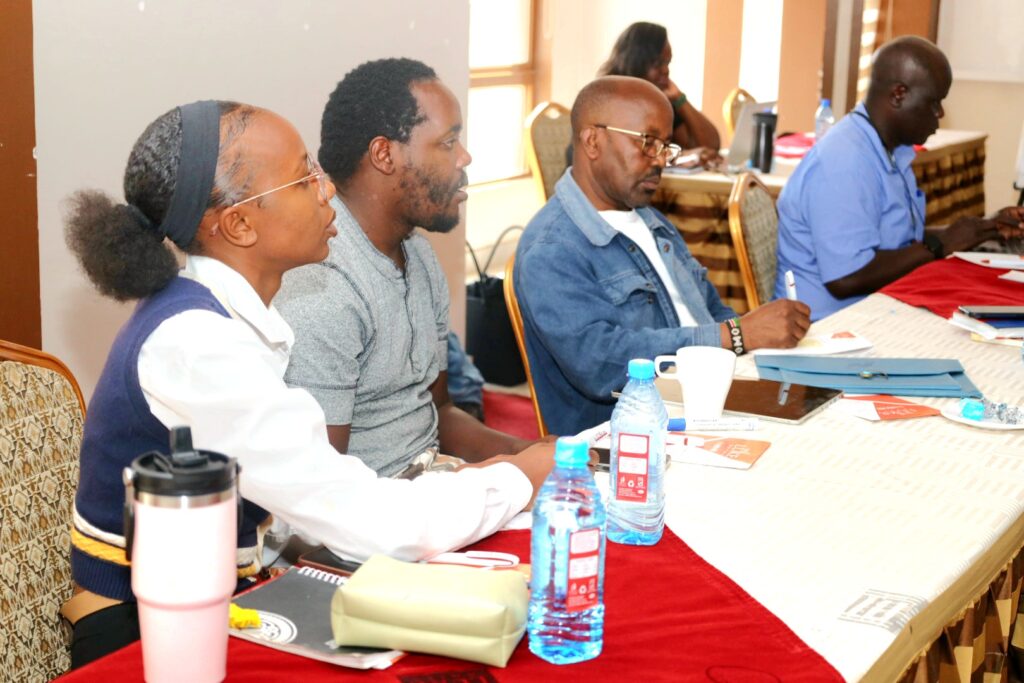

Training and Learning Sessions 27th – 28th August 2025 at St Mary’s Pastoral and Conference Centre in Nakuru County.
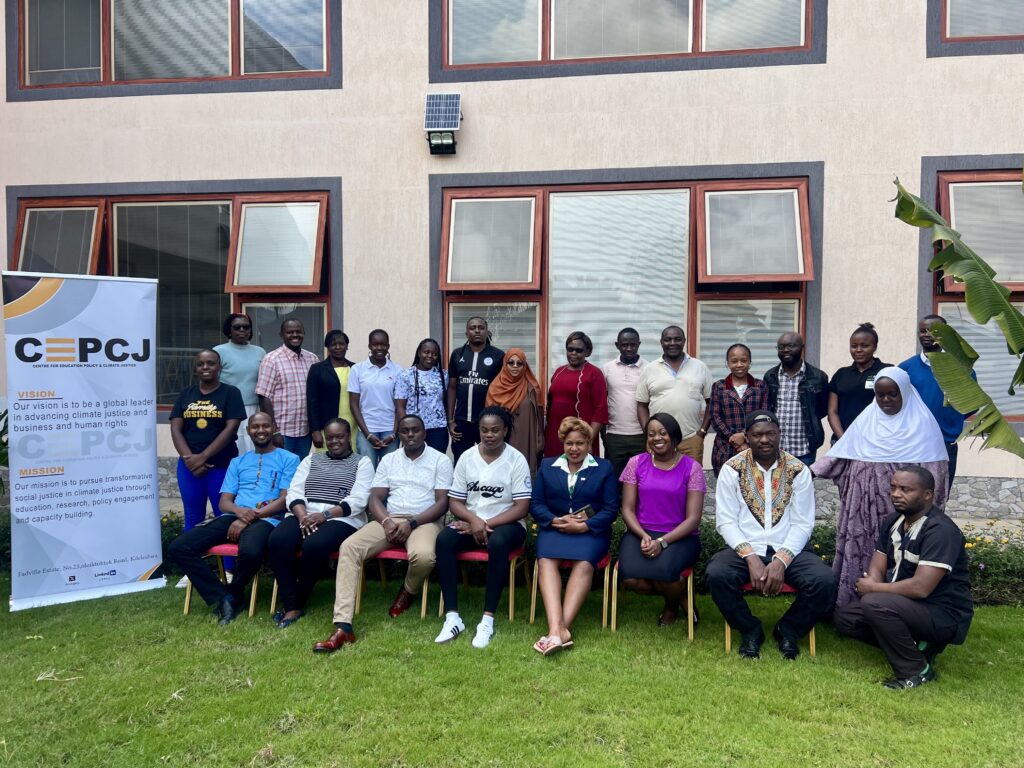
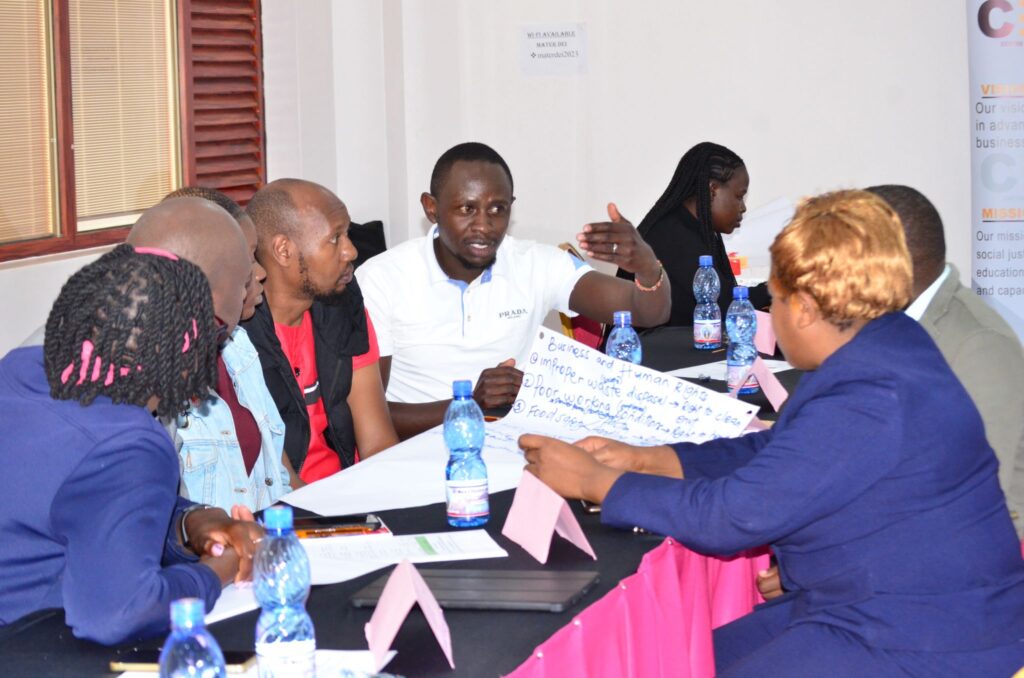
Training and Learning Sessions 29th – 30th October 2025 at St. Mary’s Pastoral and Conference Centre: Nyandarua County Participants.
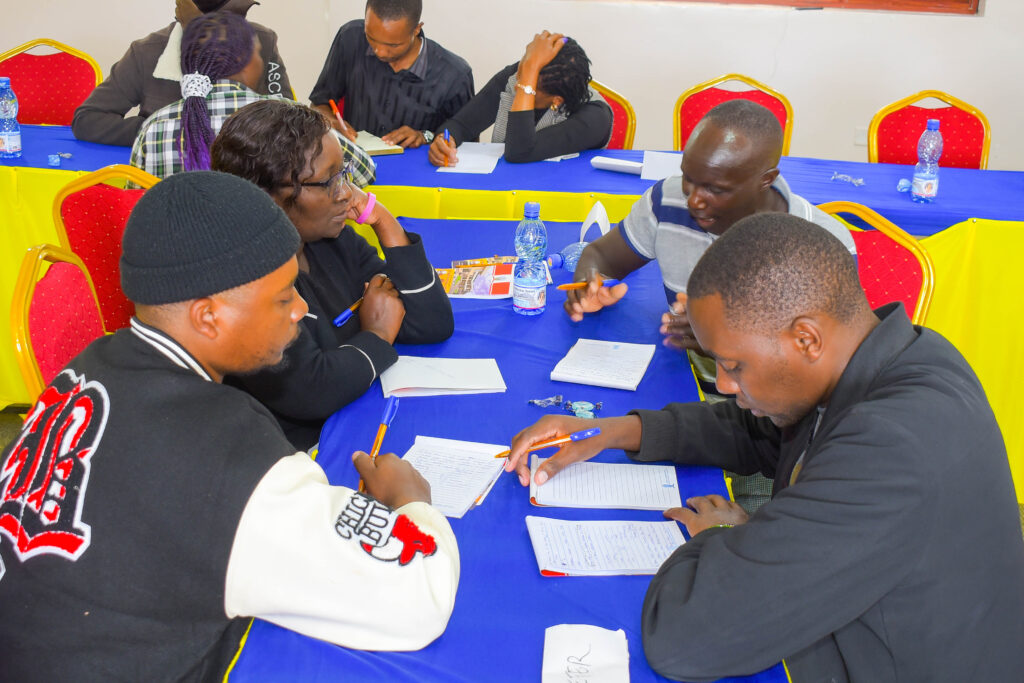
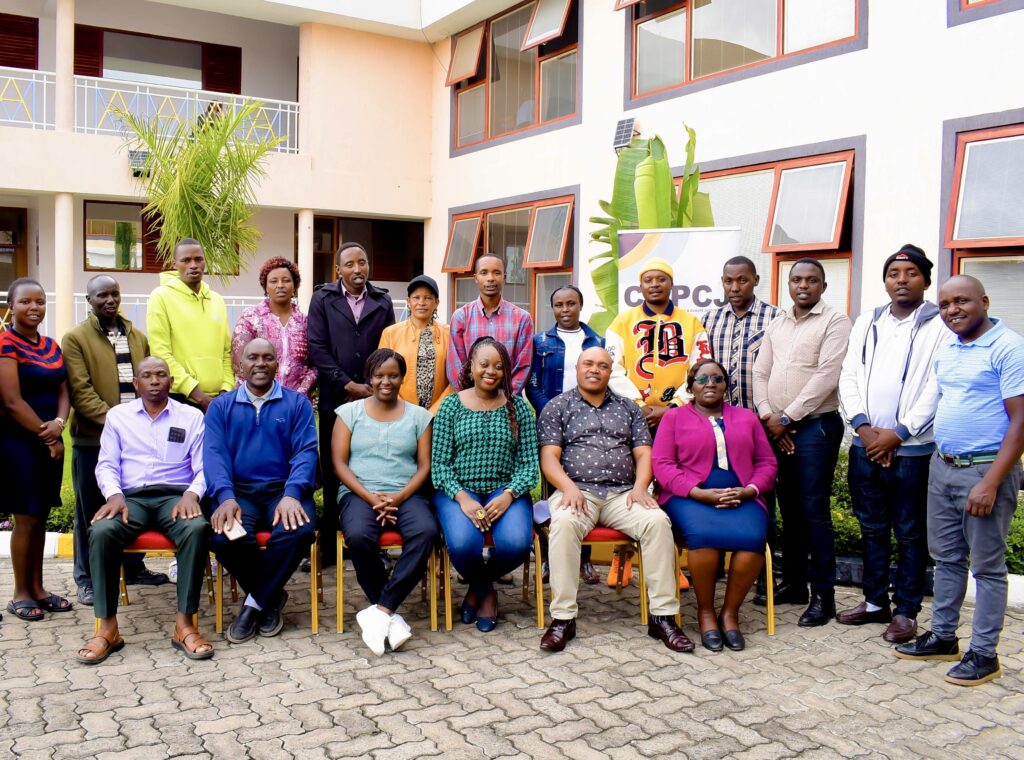
Training and Learning Sessions 27th – 28th January 2026 at Rosa Mystica Spiritual Centre in Nairobi County.

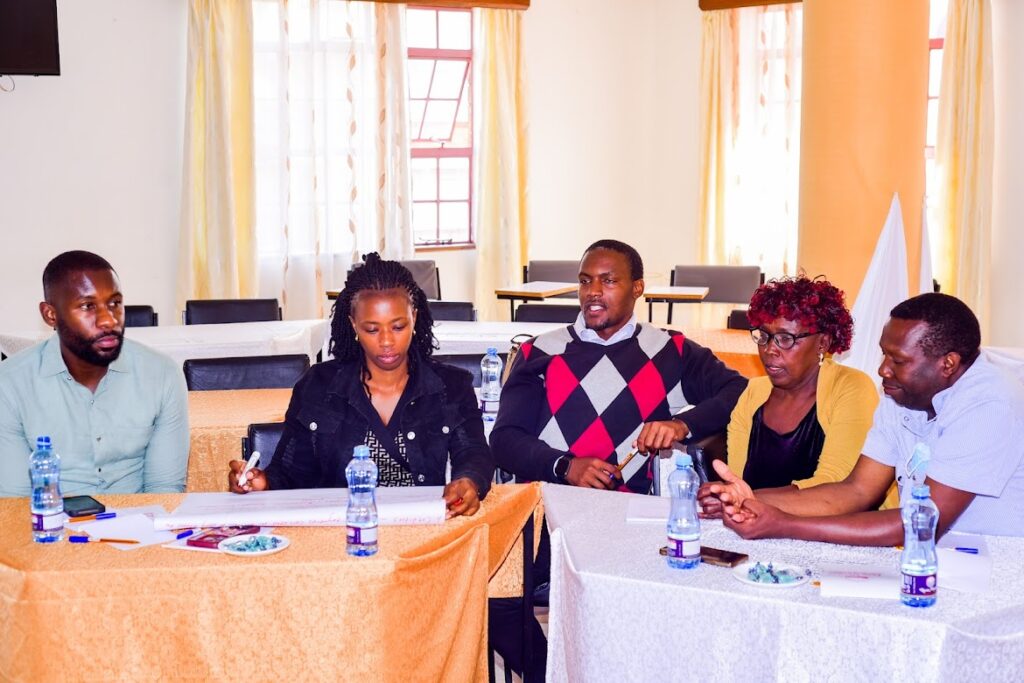
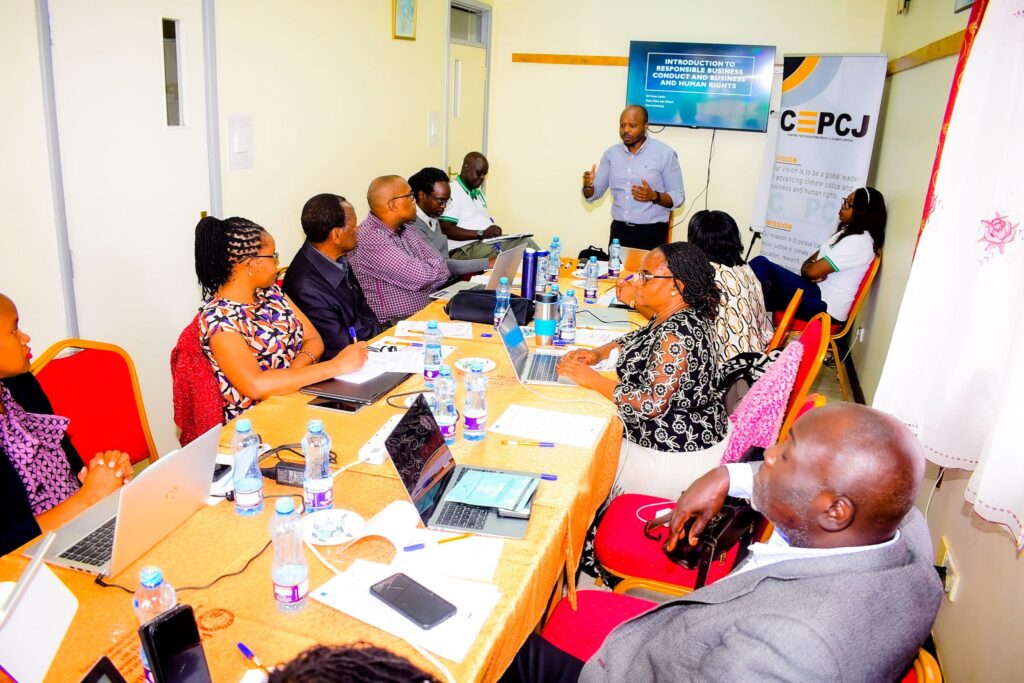
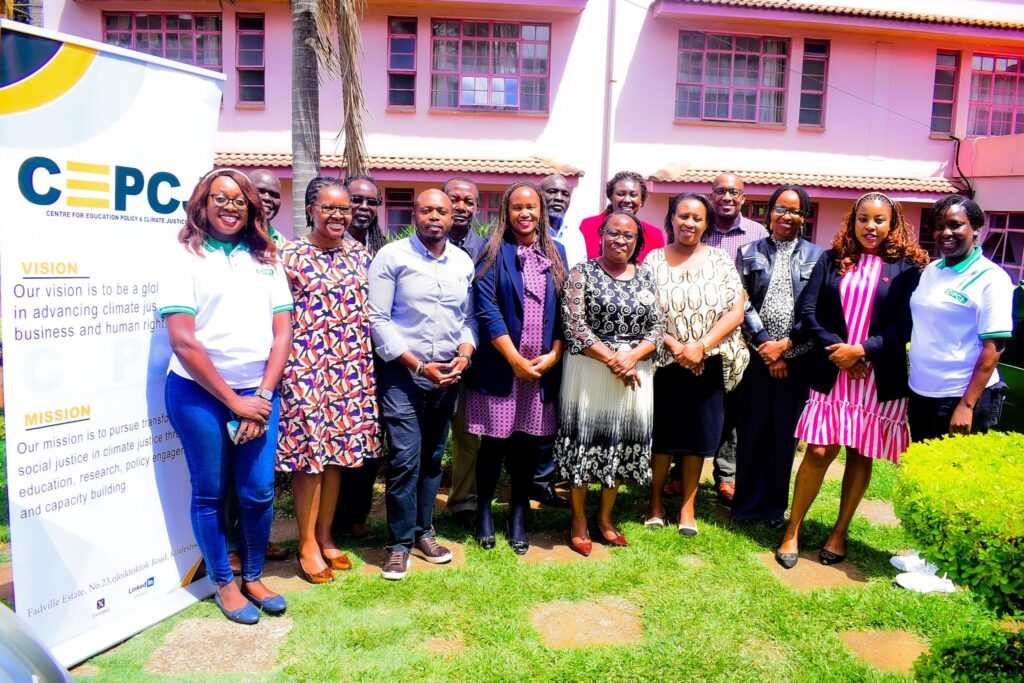
During the first six months of implementation, the Cultivating Justice project undertook mapping of agribusiness investments and related human rights violations in Nairobi Metropolis, Nakuru, and Nyandarua counties. A baseline study was conducted to establish the current status of responsible business conduct, identify key gaps, and inform targeted interventions. As implementation progressed, part of this project is the possible development of a model curriculum on responsible business conduct designed with a vision to make it a cross-disciplinary course (business and law schools) that empower students as future innovators, job creators and ethical business leaders. This Curriculum Review Meeting was the inaugural workshop to discuss the need for responsible business conduct in curricula in Universities in Kenya, assess the uptake or lack thereof in both private and public universities and discuss the Hackathon component of the project with academic stakeholders.
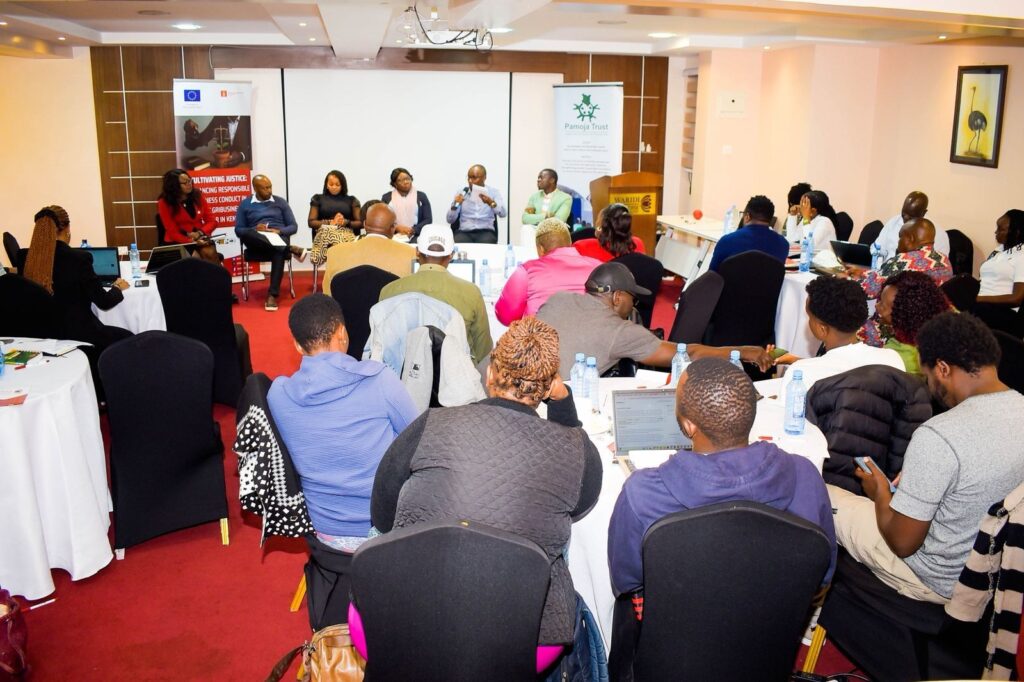
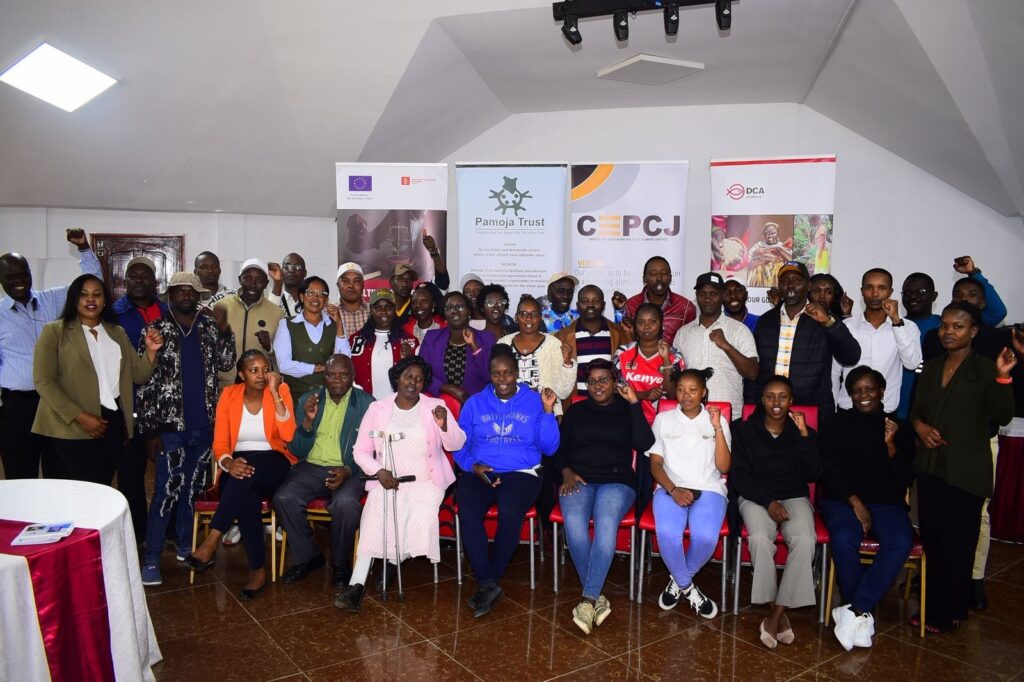
CEPCJ participated in a Joint Participants meeting convened by Pamoja Trust to bring together the participants of the project. Specifically, we moderated a panel aimed to generate multi-sector reflections on the baseline findings from the Cultivating Justice Project and situate them within the broader Business and Human Rights (BHR) policy, practice, and accountability landscape in Kenya.
The panel aimed to:
- Contextualize the evidence from the baseline study within ongoing national BHR implementation efforts.
- Surface gaps, trends, and opportunities in the agribusiness sector.
- Strengthen linkages and collaboration among key BHR actors.
- Training and Learning Sessions on Advancing Decent Work in Kenya’s Agri-food Sector
The primary purpose of Year Two trainings is to bring together private sector actors in the agricultural sector in Nakuru County to discuss, strategize and collaborate on advancing decent work in the agri-food sector in the backdrop of legal frameworks such as the International Law Organization (ILO) standards and the European Union regulations on Human Rights and Environmental Due Diligence.
The training aims to:
- Increase awareness of the importance of decent work in the agri-food sector.
- To discuss the legal frameworks such as the International Law Organization (ILO) standards and the European Union regulations on Human Rights and Environmental Due Diligence such as the Corporate Sustainability Due Diligence Directive (CS3D) and Corporate Sustainability Reporting Directive (CSRD).
- To delve into aspects of Forced and Child Labour in the agri-food sector.
- To strengthen collaboration between actors to support each other in advancing decent work.
Listen to the training report: https://lnkd.in/dBuccw_B
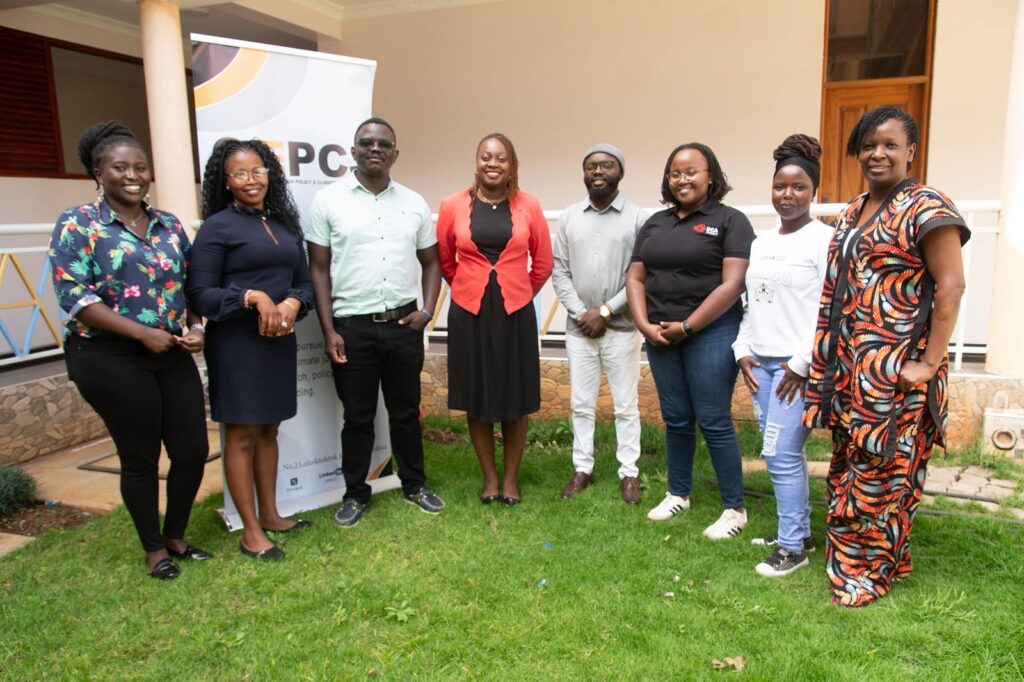
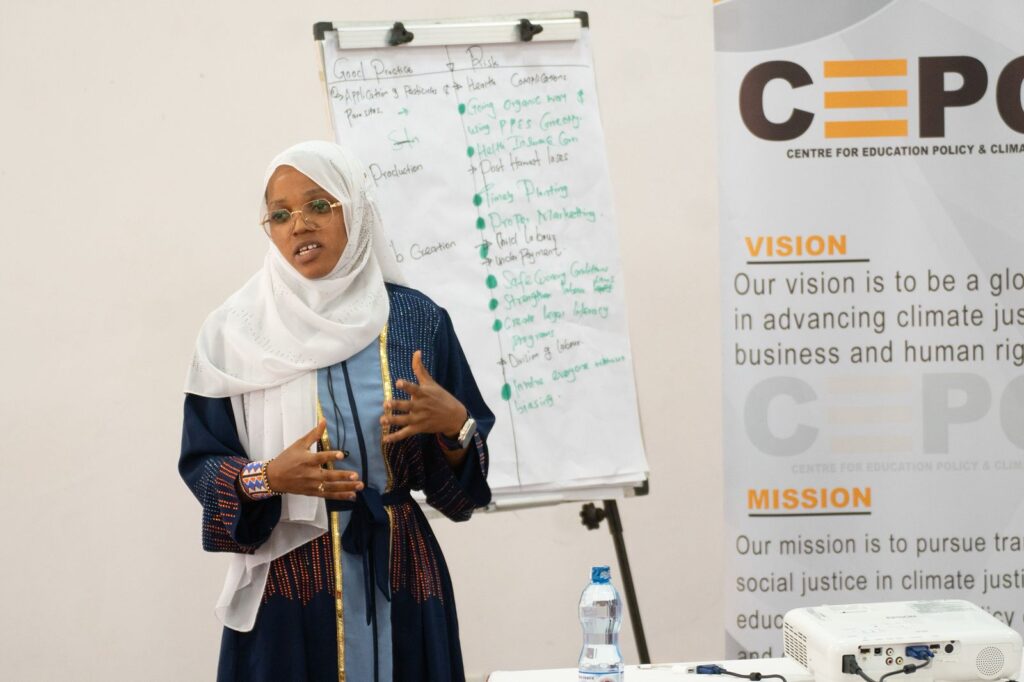
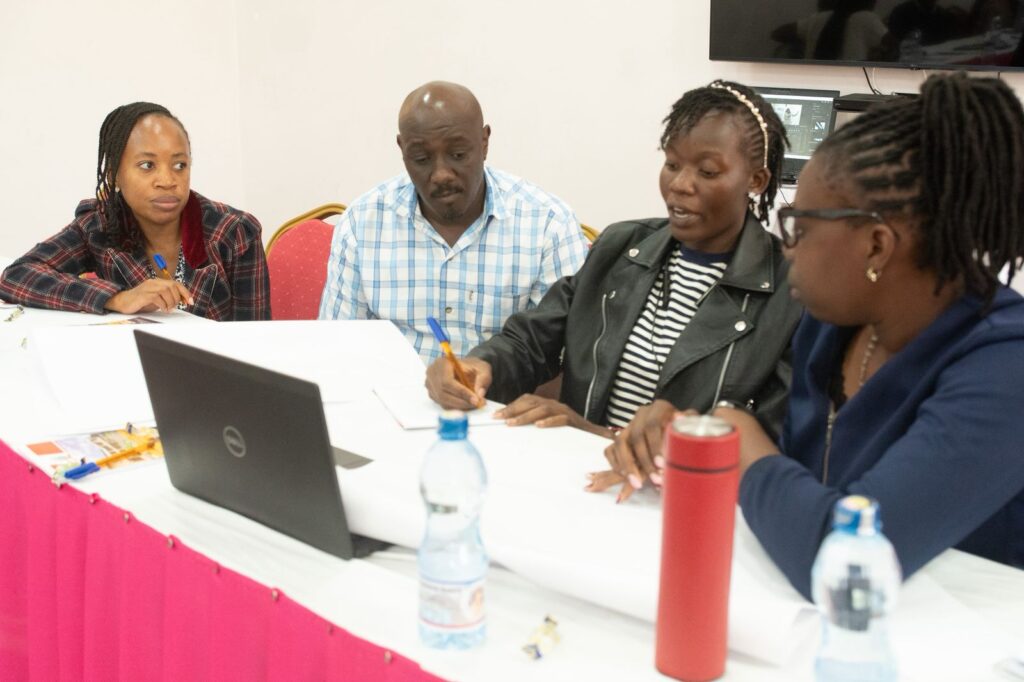
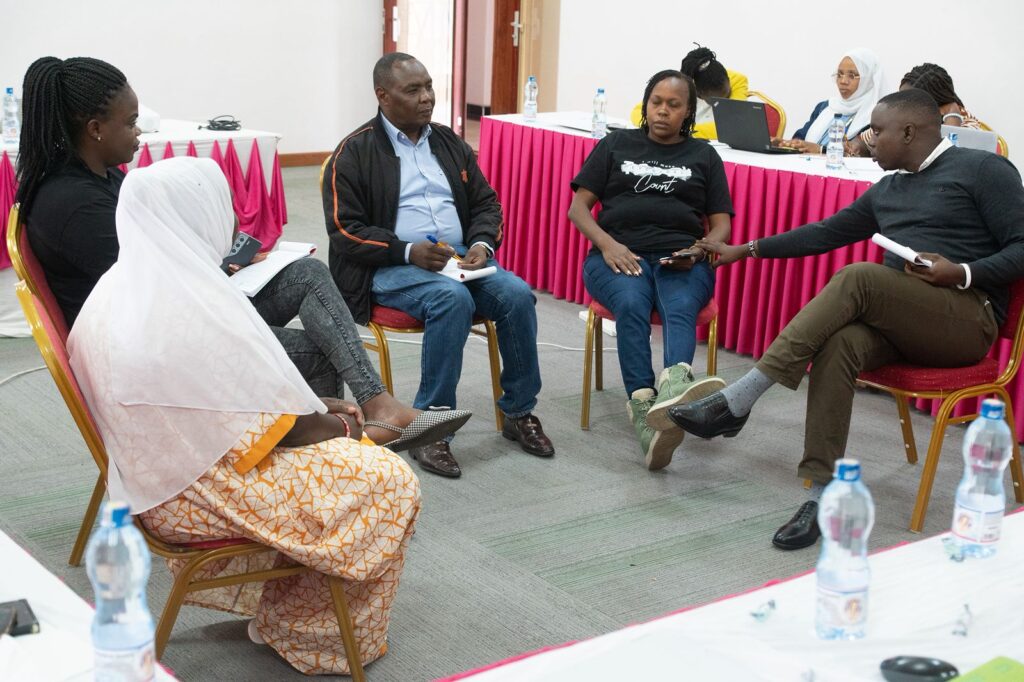
On 25th and 26th March 2026, we undertook training of private sector actors in Nakuru County

- Advancing Decent Work
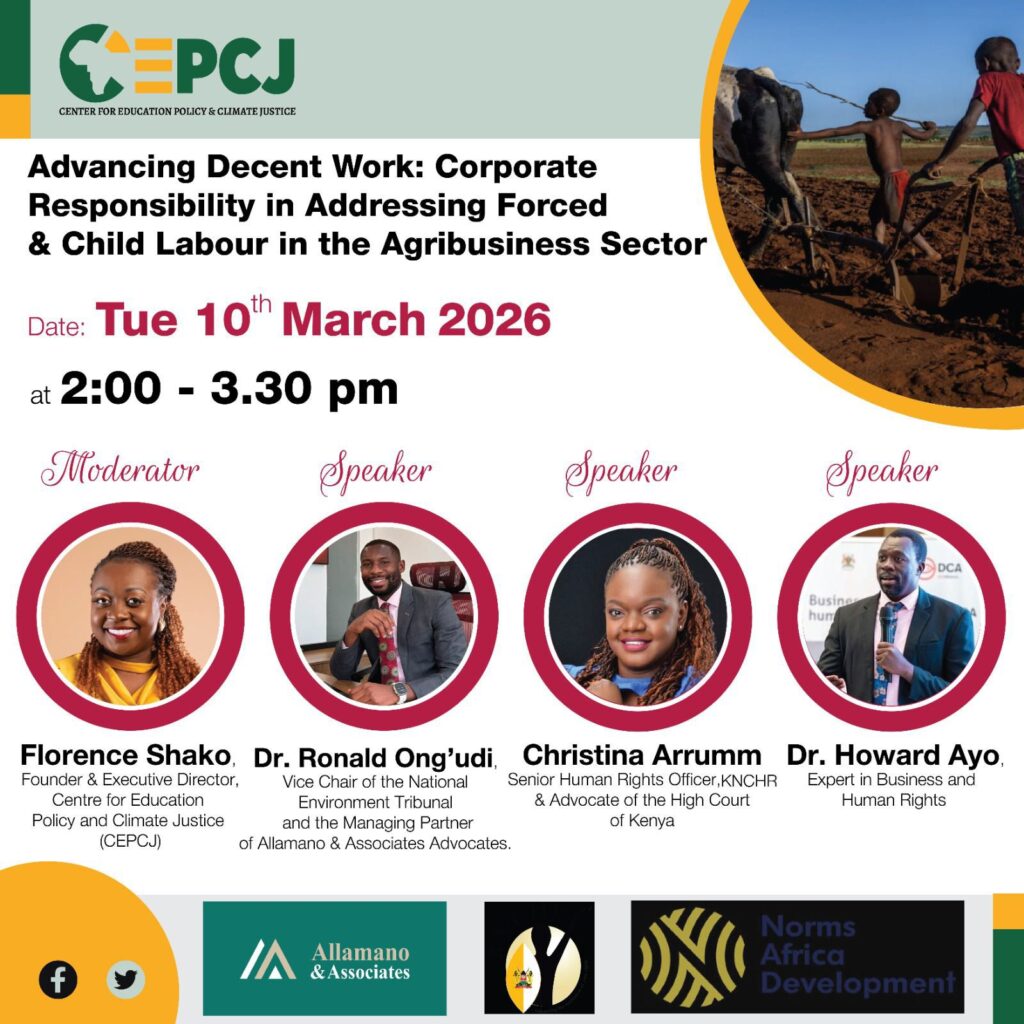
On 10th March 2026, we hosted a webinar on Advancing Decent Work: Corporate Responsibility in Addressing Forced and Child Labour in the Agribusiness Sector.